Fire safety engineering under TEK17: When standard solutions are not enough


Fire safety engineering is a key part of any construction project, whether it involves a new building, a renovation or a change of use.
The requirements of the Norwegian building regulations (TEK17) apply whenever work is carried out on a building. Mistakes at this stage can have consequences for safety, progress and costs.
When is fire safety engineering required?
Fire safety engineering is required when carrying out work covered by the Planning and Building Act, for example:
- construction of new buildings
- conversion or rehabilitation of existing buildings
- installation of new technical solutions
- change of use of the building
Change of use is a common situation that triggers requirements. When a building is used for something other than what it was originally approved for, this can lead to new requirements for escape routes, fire resistance and safety level, among other things.
What triggers the duty to apply for a permit and the requirements for design must be assessed in each individual case.
[Facts]
Simplified or analytical design?
TEK17 allows for two main models:
- Simplified design, based on pre-accepted performance levels
- Analytical design, where solutions are documented through analyses and calculations
Pre-accepted performance levels are often sufficient in standard projects, possibly combined with simple analytical solutions.
In more complex situations, such as existing buildings, listed buildings or projects with special requirements, analytical design offers greater flexibility and better tailored solutions.
Change of use and risk class: A common pitfall
A change of use can trigger new fire safety requirements. An incorrect assessment of the risk class can lead to unnecessarily strict measures, costly retrofitting and project delays.
TEK17 allows for specific assessments in each project, but requires the solutions to be documented correctly.
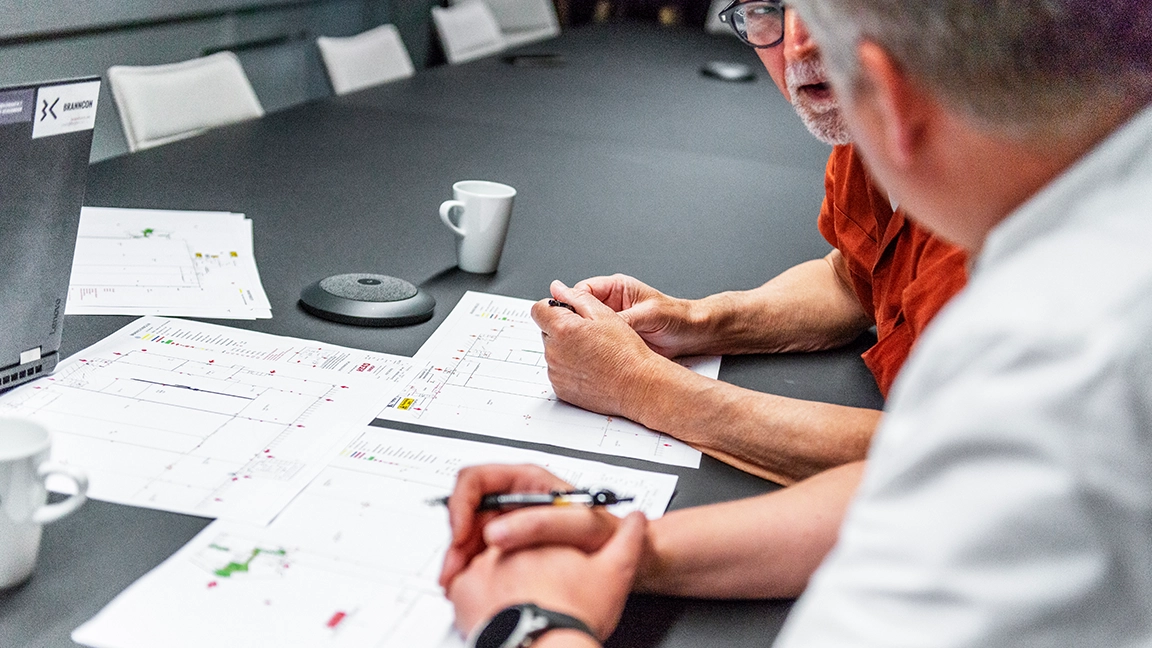
Why it pays to involve a fire safety consultant early
Early fire safety engineering gives:
- more room to manoeuvre
- better integrated solutions
- lower costs over time
- greater predictability for the project
Head Energy BrannCon follows the building from the sketch stage to operation, and helps with solutions that take care of safety, function and finances.
Unsure which fire safety requirements apply to your project? An early assessment can be decisive for a safe and successful result.
Frequently asked questions
What is fire safety engineering?
Fire safety engineering is a key part of new buildings, renovations and changes of use, and ensures that the fire safety requirements are met.
When is fire safety engineering required?
It is required for new buildings, conversions, rehabilitation, changes of use and the installation of new technical solutions, among other things.
What is the difference between simplified and analytical design?
Simplified design is based on pre-accepted performance levels, while analytical design documents the solutions through analyses and calculations.
Can a change of use trigger new fire safety requirements?
Yes. A change of use can lead to new requirements for escape routes, fire resistance and safety level, among other things.
Why involve a fire safety consultant early?
Early fire safety engineering gives more room to manoeuvre, better solutions and greater predictability in the project.

Contact us.
Do you have questions or want to know more about our services? We would love to hear from you!


Newsletter
Get the latest news from Head Energy straight to your inbox.

More insight.
When do you need geotechnical design, and why should the geotechnical engineer be involved early?