








What does an electrical power engineer actually do?

The market for electrical power expertise is growing, and the need for engineers with system understanding and professional depth is increasing. At the same time, many recent graduates wonder what working with electrical power actually involves in practice.
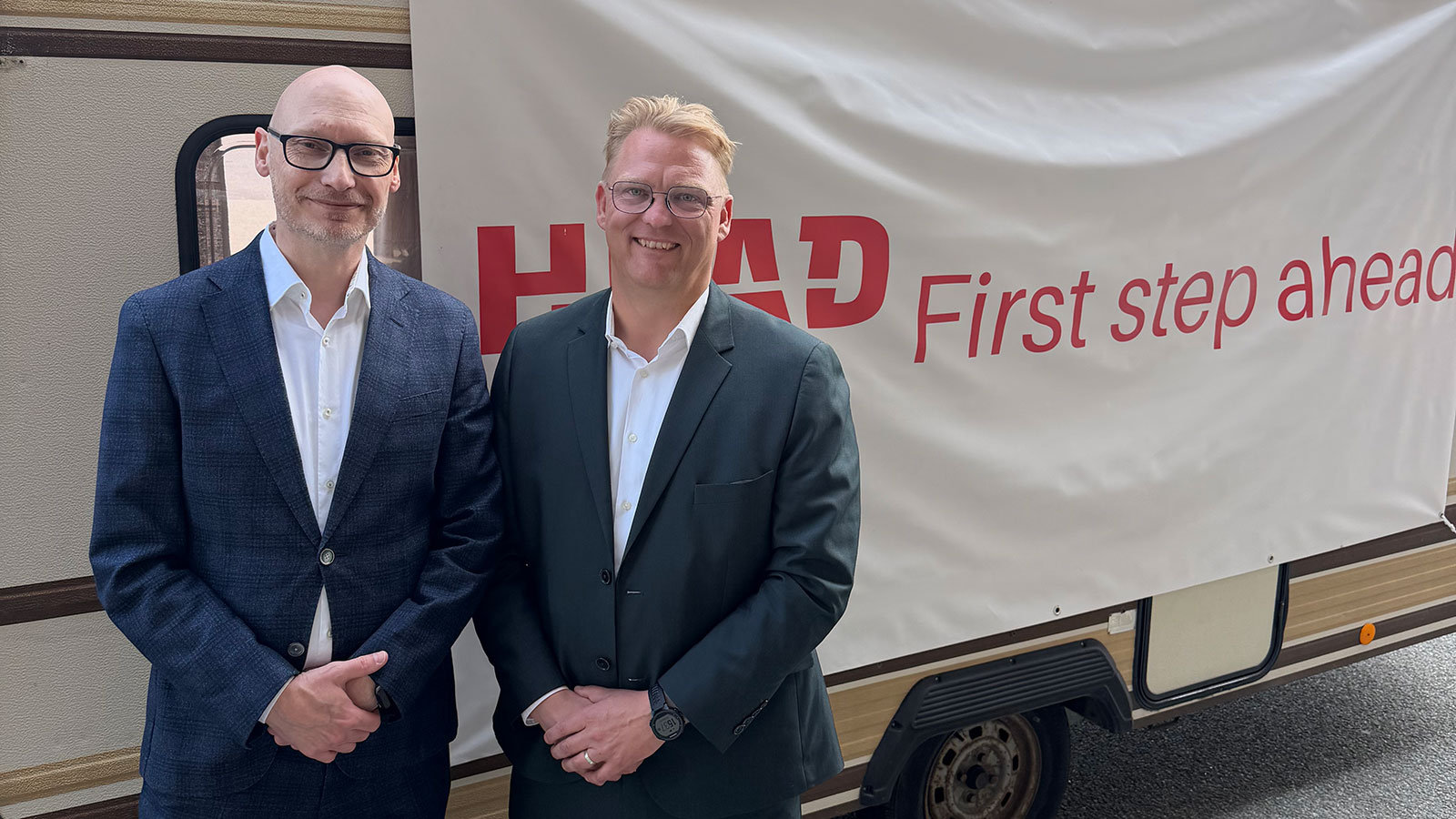
At Head Energy NorGrid, we are now hiring more electrical power engineers, including recent graduates. We therefore asked Regional Manager Anders Ballari what you can expect as a newcomer to the field, and what electrical power really means in everyday work.
What kinds of roles can you take on with an education in electrical power?
– This education opens up a wide range of opportunities. With a background in electrical power, you will probably start working in the power industry, which in short consists of all the companies needed to turn the water in the mountains into electricity in the socket at home.
At my previous employer, we had three career paths: specialist, project, and administration & management. These generally exist at most players in the industry, but at a young age I think you should not choose one path too early. You should rather try different roles.
For example, you can work on projects at a grid owner, and then try a specialist role at a consultancy or contractor. In short, I think an education in electrical power lets you take on a broad range of roles in many different types of businesses.
What does the working day of an electrical power engineer look like, especially early in your career?
– Wherever you start working, you will be affected by the major reinvestments and new construction currently under way in the power industry. Both the age of today's power grid and the growing demand for electricity mean that everyone connected to the grid industry is working on projects related to new grid installations, production units and consumption units.
The working day of a newly qualified electrical power engineer will largely consist of learning how today's power grid works in practice, and contributing to tasks such as modelling, calculations and assessments in connection with the planning and construction of new installations that will be connected to the existing grid.
The learning curve can be steep at times, but fortunately the Norwegian power industry has many experienced electrical power engineers ready to train you.

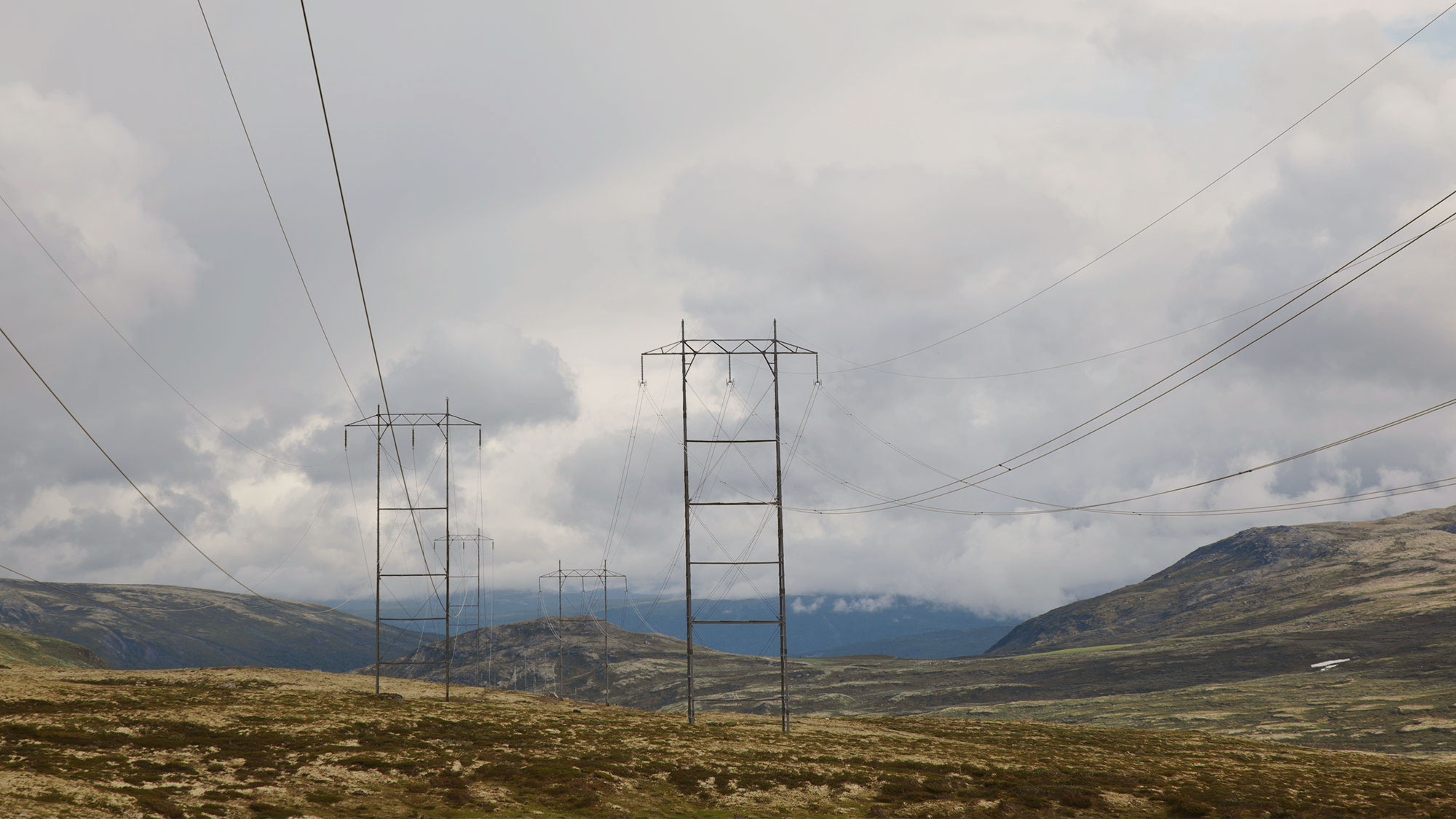
Many people associate electrical power with cables and power lines. But perhaps that is not all you work with?
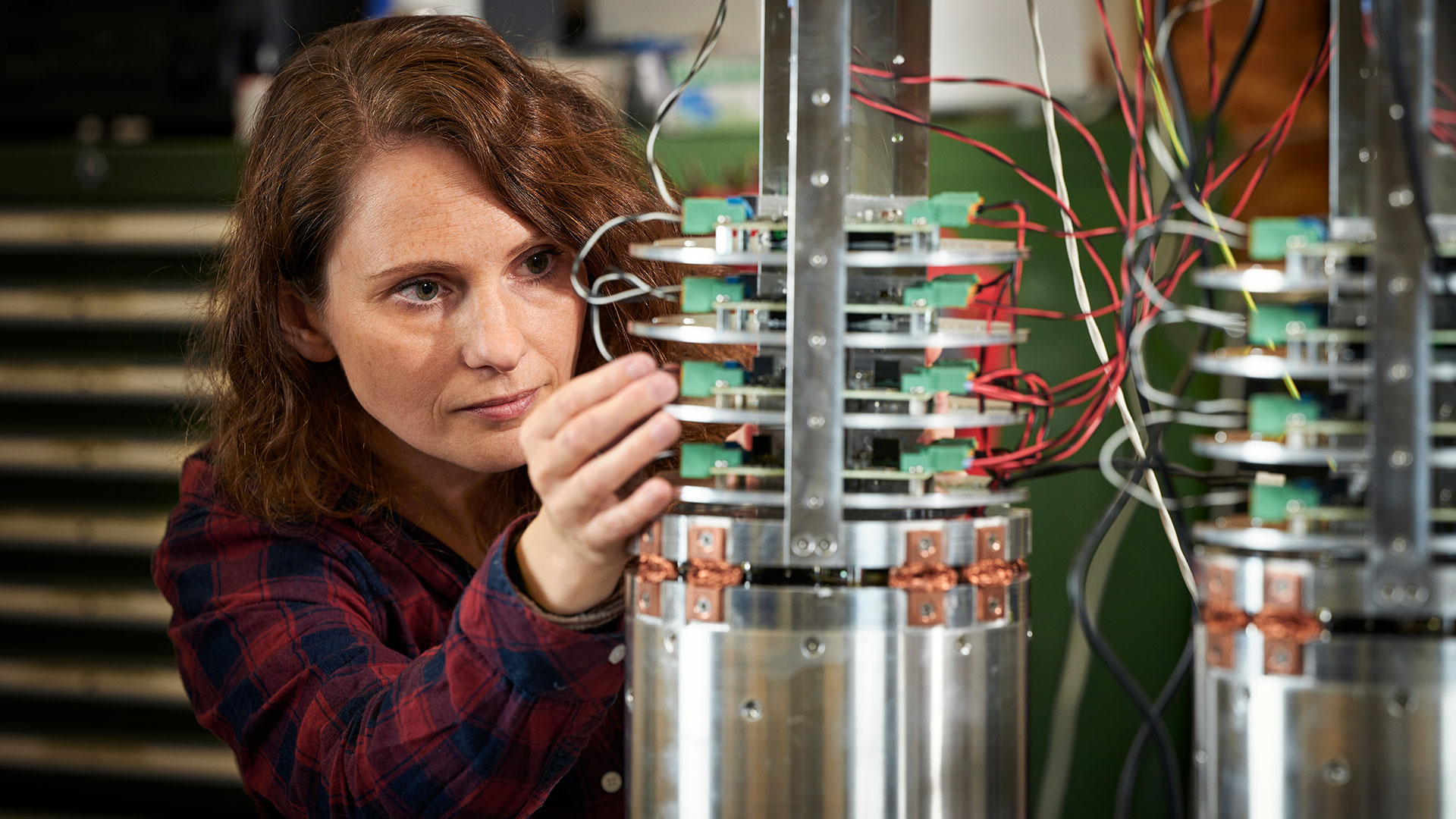
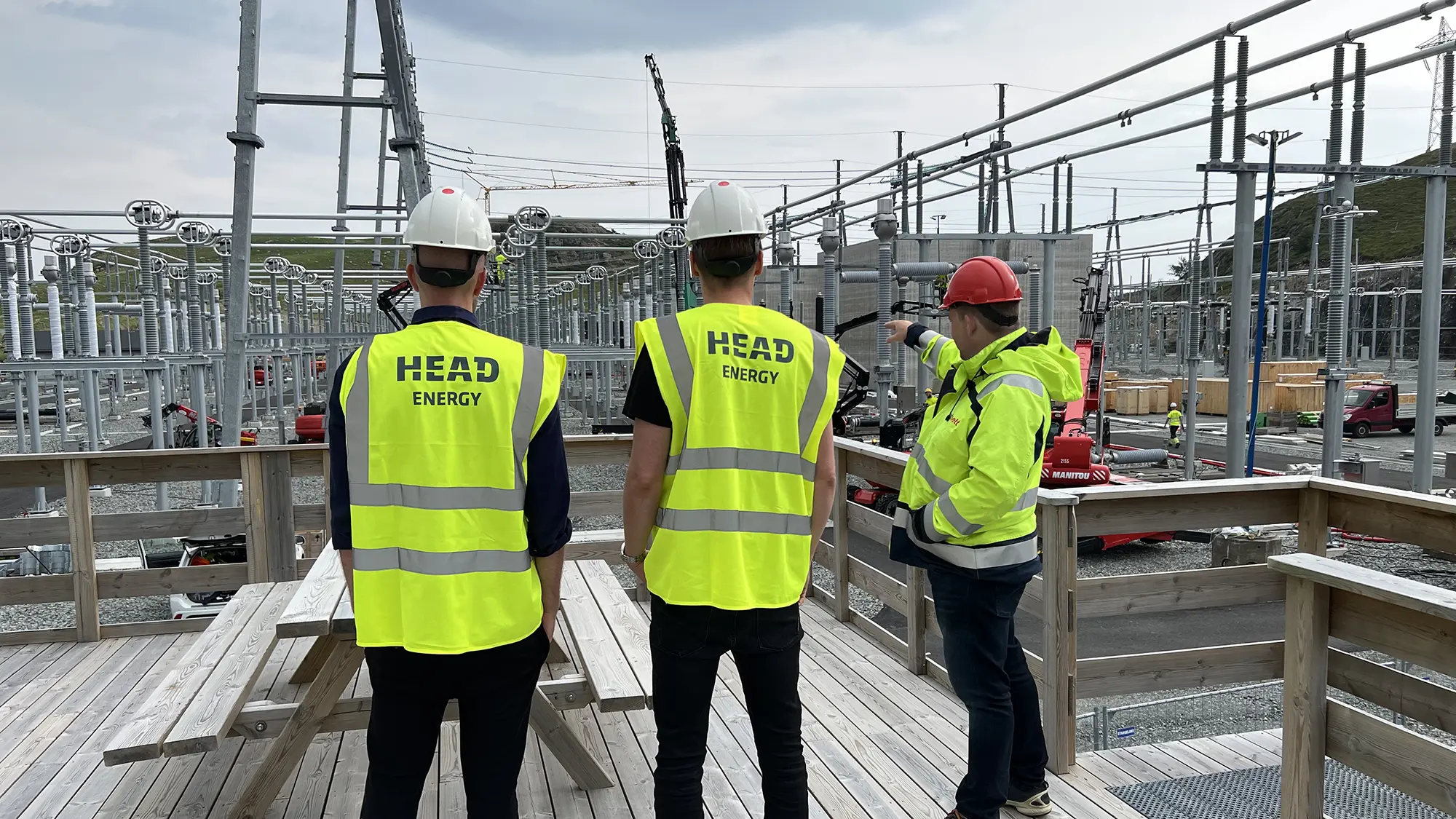
– At Head Energy NorGrid (in Norway) and Head Energy DanGrid (in Denmark), we work with both cables and overhead lines, but also with a range of other tasks. DanGrid has carried out projects involving system analyses for wind farms and data centres, among others. At NorGrid, we have engineers who follow up the construction of substations as field engineers. We also have an ongoing project where we draw single-line diagrams for a major grid owner in Norway, and we have designed several cable installations.
The great thing about being part of an engineering and consulting house like Head Energy is that we get to work on a large number of varied tasks over the course of a year.
What kind of people make good electrical power engineers?
– I would not say there is one particular type who suits being an electrical power engineer. Some electrical power engineers specialise in system analyses and mathematical modelling of the power grid. This is a more abstract way of relating to the grid, but at the same time absolutely essential for planning upcoming measures and predicting how the grid will be operated in the future.
Others see the power grid as a physical structure to be built. They often become project managers or project engineers who, in addition to electrical power, also learn a little about construction, civil engineering, geotechnics and the like. Here the focus is on getting a power line or substation built among the hills and mountains of Norway.
The rest end up somewhere between these extremes. The great thing about being an electrical power engineer is that you can do a bit of both. It is often an advantage to work both analytically and more practically to understand the whole picture in the projects.
You have recently hired several recent graduates. Why is it important for you to invest in new candidates, and what needs to be in place for them to succeed?
– It is true that we are taking on more newly qualified engineers in 2026. Head Energy NorGrid and DanGrid currently have several skilled and experienced consultants, but the projects cannot be carried out by them alone. In design work, there are many tasks within modelling, calculations and assessments that are well suited to younger engineers.
For us, it is important to have resources who can carry out these tasks, so that the more experienced engineers can spend their time on more complex issues that require experience. A positive effect of working this way is that, within a few years, newly qualified engineers build up experience that enables them to take responsibility for more advanced issues, and eventually train new, younger engineers in design.
This way, we can build a strong professional environment within electrical power at NorGrid in the years to come. The most important thing for succeeding with this is that we do good business development at NorGrid, so that we bring in projects that both younger and experienced electrical power engineers can work on.
Facts

Head Energy's investment in high-voltage engineering
Head Energy has two subsidiaries within high-voltage engineering: Head Energy NorGrid in Norway and Head Energy DanGrid in Denmark. Both companies provide design and consulting services for grid and electrical power projects, for both small and large projects in the electrical power industry.
Our consultants have experience with pre-engineering, analyses, design and follow-up during the construction phase of grid installations from 1 to 420 kV, and we all share an interest in electrical power and grid installations.
Kontakt oss.
Har du spørsmål eller ønsker å vite mer om våre tjenester? Vi vil gjerne høre fra deg!

Newsletters
Get the latest news from Head Energy straight to your inbox.