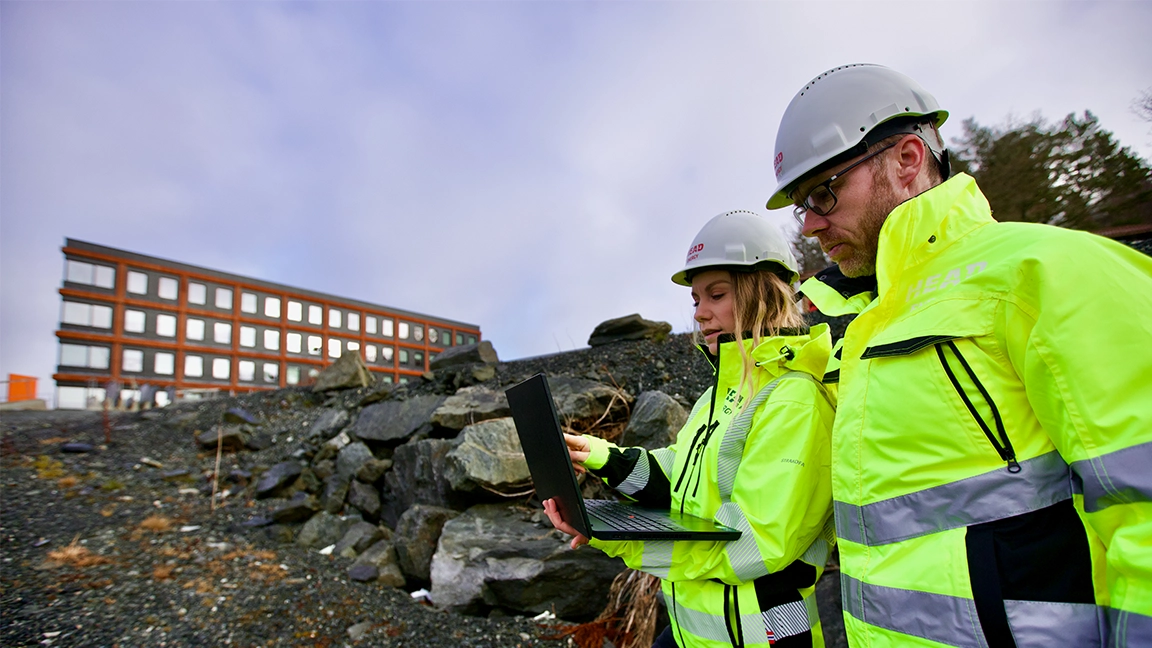
The municipality requires documentation of contaminated ground – can you still build?

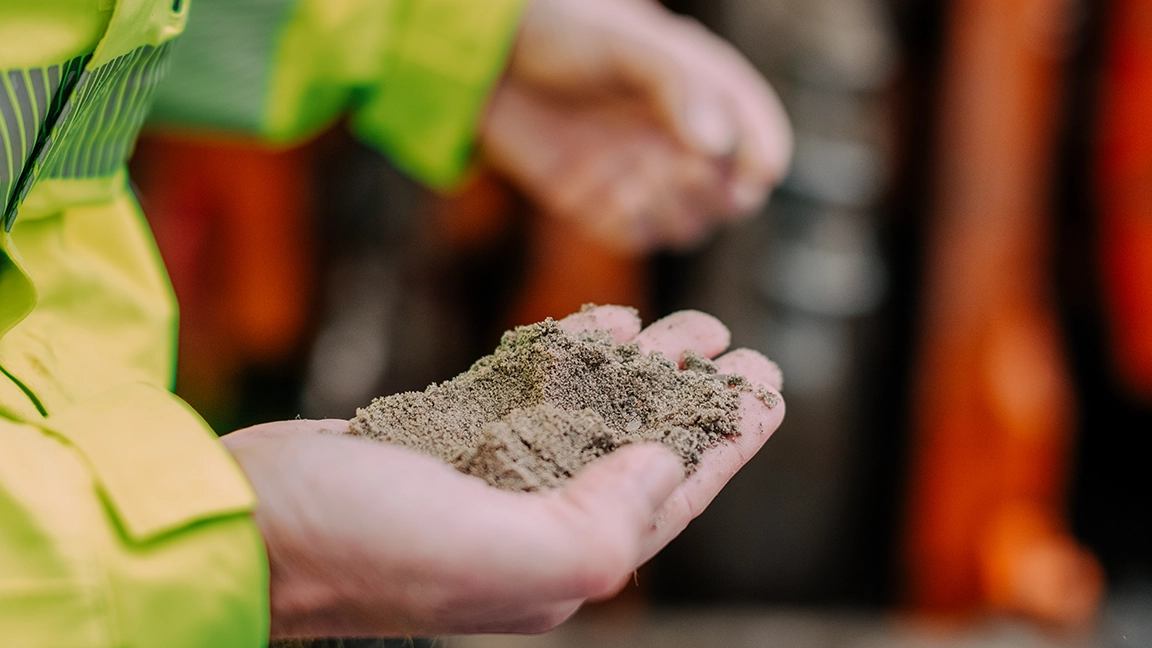
You are going to build or dig on your property, but the municipality requires documentation of contaminated ground before the project can go ahead. Does that mean the site is actually contaminated, or that you cannot build?
Not necessarily.
A documentation requirement primarily means that the municipality wants to clarify whether there may be contamination in the ground that needs to be investigated or handled before the work starts. In some cases, existing information may be sufficient. In other cases, an environmental site investigation with sampling and analyses must be carried out.
Here we explain why the municipality may require documentation of contaminated ground, when investigations are needed, what happens if contamination is identified, and what you should do to move the project forward.
Why does the municipality require documentation of contaminated ground?
During construction and excavation work, existing contamination in the ground can pose a risk to people and the environment if the soil is handled incorrectly.
Chapter 2 of the Norwegian Pollution Regulations therefore requires an investigation of whether the ground may be contaminated before groundworks on properties where there has been activity that may have caused contamination.
The municipality is the pollution control authority under these regulations and must ensure that the necessary investigations are carried out before the project is approved.
A documentation requirement therefore does not necessarily mean that contamination has been identified. It means that the municipality wants to clarify whether there is contamination that must be handled in connection with the project.
Many municipalities also use caution maps or map services showing properties where there may be a risk of contaminated ground. The maps are often based on historical land use and registered businesses that may have caused contamination, such as industrial areas, petrol stations, workshops or landfills.
A property being within such a caution area does not necessarily mean the ground is contaminated. The maps show areas where closer investigation may be needed before construction or excavation work can be carried out.
If the property is within a caution area, or its historical land use indicates possible contamination, the municipality will often ask for environmental documentation as part of the building application.
When may contaminated ground be suspected?
The need for investigations is assessed based on the previous use of the property, among other things.
Environmental site investigations may be relevant on, for example:
- former industrial areas
- workshops and petrol stations
- areas with fill material of unknown origin
- port and quay areas
- former landfills
- areas with older commercial activity
Older residential plots can also in some cases be affected by previous activities or imported fill material.
So it is not only what the property is used for today that is relevant. Historical land use can be decisive for whether the ground needs to be investigated more closely.
What is an environmental site investigation?
An environmental site investigation maps whether there is contamination in the ground and whether it may be significant for the planned project.
The investigation may include:
- a review of historical land use
- a site inspection
- sampling of soil and, where relevant, groundwater
- laboratory analyses
- an assessment of the analysis results against the applicable limit values
The results are summarised in a report that forms the basis for the further processing of the building application.
What happens if contamination is identified?
If the investigations show that the ground is contaminated, it does not necessarily mean that the project cannot be carried out.
When carrying out groundworks in contaminated ground, a remediation plan must be prepared and approved by the municipality before the work starts. Among other things, the remediation plan describes how the contaminated soil will be handled. Many municipalities require an approved remediation plan to be submitted with the application for a commencement permit (IG).
[Facts]
Is sampling always required?
Not necessarily. In some cases, it is sufficient to document that there is no suspicion of contamination, based on historical mapping and available information.
In other projects, soil samples must be taken and analysed to clarify whether the ground is contaminated. The need is assessed by the environmental consultant based on the property's history, the planned project and the municipality's requirements.
A documentation requirement therefore does not automatically mean that extensive sampling must be carried out. The first step should be to clarify what the municipality is asking for and what is already known about the property.
What does an environmental site investigation cost?
The cost depends on the size of the project and the scope of the necessary investigations.
A simple assessment can often be carried out with limited sampling, while larger projects may require more sampling points, laboratory analyses and more extensive environmental advice.
To give a realistic price estimate, the environmental consultant will normally review the project, the property's history and the municipality's requirements before preparing a quote.
What should you do if the municipality requires documentation?
If the municipality has asked for documentation of contaminated ground, the most important thing is to find out what the municipality actually requires before you order investigations.
1. Read the municipality's response carefully
The municipality normally describes what documentation it needs and which regulations the requirement is based on.
2. Gather relevant information
The following documentation is often useful:
- the municipality's letter
- site plan
- drawings
- description of the project
- any zoning provisions
Information about previous use of the property can also be relevant when assessing the need for environmental investigations.
3. Contact an environmental consultant
An environmental consultant can assess what the municipality is asking for, whether existing information is sufficient, whether investigations are needed and what documentation must be prepared.
By clarifying this early, you reduce the risk of ordering investigations that are not needed, or discovering the need for further documentation late in the project.
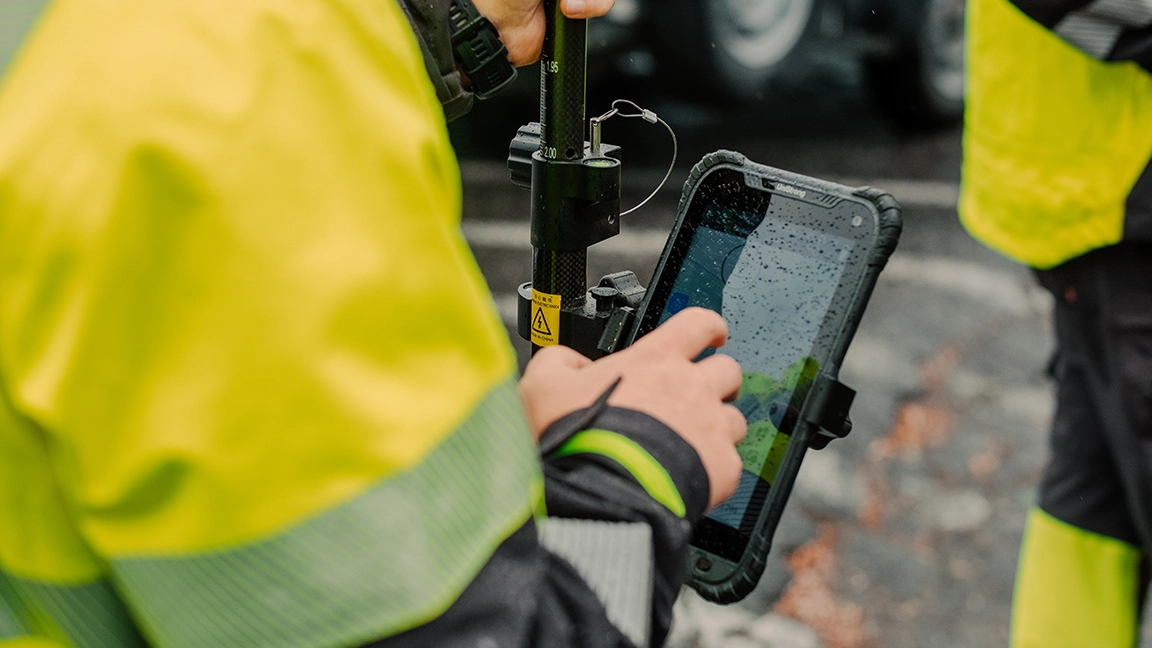
How long does an environmental site investigation take?
The time required varies from project to project.
Progress is affected by, among other things:
- the size of the project
- the need for sampling
- the laboratory's analysis time
- any need for a remediation plan
- the municipality's processing
The earlier the need is clarified, the easier it is to plan the project and avoid delays.
Can environmental investigations be needed even if the municipality does not require them?
Yes. Even if the municipality has not required environmental investigations, it may be necessary to investigate the ground before excavation or construction work starts.
If the project involves soil replacement or surplus soil is to be removed from the property, it is important to know whether the soil is contaminated. The results of an environmental site investigation form the basis for how the soil is to be handled and disposed of in accordance with Chapter 2 of the Pollution Regulations and other relevant regulations.
Soil to be delivered to an external receiving facility often has to be documented with analyses showing the degree of contamination. The facility may set requirements for what documentation must be provided before the soil is accepted, and whether the soil can be accepted depends on the analysis results and the facility's permits, among other things.
Clarifying this early in the project can help avoid delays, incorrect disposal of soil and unforeseen costs in the construction phase.
From environmental site investigation to complete documentation
When contaminated ground is suspected, it is important to find out what is actually in the ground and how it affects the project. The right knowledge early on provides a better basis for the building application, the soil handling and the further execution.
Head Energy Geo carries out environmental surveys with a focus on contaminated ground and can assist throughout the process, from the early phase to final reporting.
Our environmental consultants carry out environmental site investigations and sampling of soil, rock and water. The samples are sent to an accredited laboratory, and a condition report is prepared based on the applicable guidelines.
Where needed, Head Energy Geo can also assist with risk assessments, remediation plans, soil management plans and follow-up during construction.
How can Head Energy Geo help?
Within environmental surveys, Head Energy Geo offers, among other things:
- RIM (environmental consulting) in projects
- environmental site investigations
- sampling of soil, rock and water
- investigations of contaminated ground, sediment and water
- remediation plans and soil management plans
- risk assessments
- follow-up during construction
- monitoring programmes
- external environment plans and environmental follow-up programmes
- final reporting
Has the municipality asked for documentation of contaminated ground, or are you unsure whether the property should be investigated before construction or excavation work starts? Contact Head Energy Geo for a professional assessment of what the project needs and how we can help.
Frequently asked questions about contaminated ground
What does contaminated ground mean?
Contaminated ground is ground where the concentration of substances that are hazardous to health or the environment exceeds set levels. In a building application, it is important to clarify whether any contamination may affect the planned project and how the soil should be handled.
Can I build on contaminated ground?
Identified contamination does not necessarily mean that the construction project has to be stopped. If groundworks are to be carried out in contaminated ground, a remediation plan must be prepared describing how the soil will be handled. The remediation plan must be approved by the municipality before the work starts.
Who is responsible for investigating whether the ground is contaminated?
For groundworks on a property where there is reason to believe the ground may be contaminated, the Pollution Regulations require the conditions to be investigated. The municipality is the pollution control authority and must ensure that the necessary investigations are carried out.
Do samples of the ground always have to be taken?
No. In some cases, historical mapping and existing information may be sufficient to document that there is no suspicion of contamination. In other cases, soil samples must be taken and laboratory analyses carried out.
What happens if contaminated soil is found?
If contaminated ground is identified, a remediation plan must be prepared describing how the contaminated soil will be handled. Soil to be removed may also have to be documented with analyses before it can be delivered to an external receiving facility.
What does an environmental site investigation cost?
The cost depends on the size of the project and which investigations are needed. A simple assessment may require limited sampling, while larger or more complex projects may require more sampling points, laboratory analyses and more extensive environmental advice.

Contact us.
Do you have questions or want to know more about our services? We would love to hear from you!


Newsletter
Get the latest news from Head Energy straight to your inbox.

More insight.
When do you need geotechnical design, and why should the geotechnical engineer be involved early?